
7 Ways Western and Korean Skincare Differ
When you dive into the beauty world, the debate between Western and Korean skincare is impossible to ignore. For years, the global beauty community has been divided. On one side, you have the clinical, fast-acting efficiency of the West. On the other, the gentle, hydration-focused philosophy of K-Beauty.
If you have ever wondered why your routine isn’t giving you that “glass skin” glow, you might be following the wrong philosophy for your skin type. Understanding the nuances between Western and Korean skincare is the first step to curating a regimen that actually works.
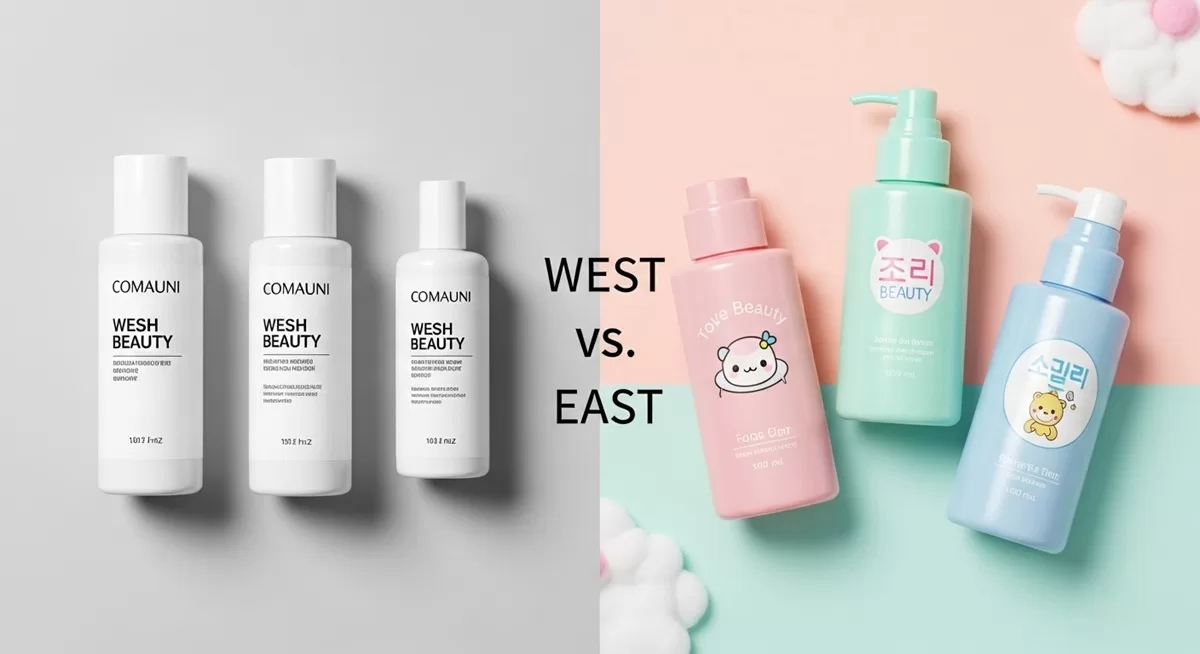
1. The Core Philosophy: Repair vs. Prevention in Western and Korean Skincare
2. The Routine: Efficiency vs. Layering
If you walk into a Sephora in New York, you are sold on the “3-step routine”: Cleanse, Tone, Moisturize. The Western consumer values efficiency. They want a product that does three things at once because their lifestyle is fast-paced. However, when comparing Western and Korean skincare routines, K-Beauty is famous for the “10-step routine.” While not every Korean person actually does ten steps daily, the concept highlights the importance of layering.- Double Cleansing: An oil cleanser followed by a water-based cleanser.
- Essences and Serums: Lightweight hydration layers.
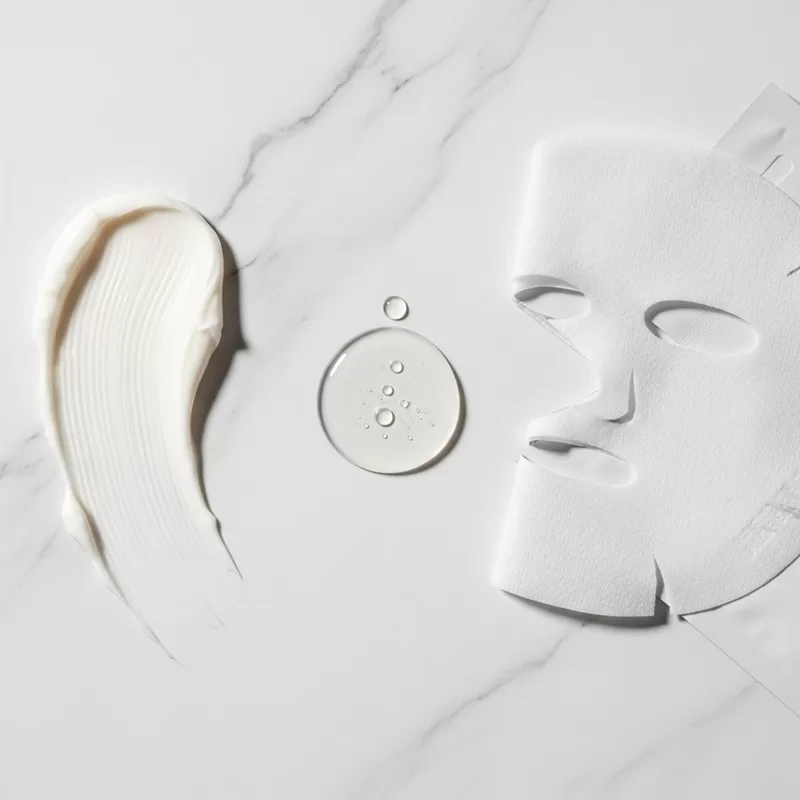
- Sheet Masks: Intensive moisture barriers.
3. Ingredients: Active Chemicals vs. Nature
Take a look at the ingredient labels, and the difference between Western and Korean skincare becomes obvious.
Western Ingredients
Western brands love “Hero Actives.” You will see bold percentages on the front of the bottle: Retinol, Vitamin C, Glycolic Acid, and Benzoyl Peroxide. These are chemically derived powerhouses designed to exfoliate and turn over cells rapidly. While effective, they can be harsh and often compromise the skin barrier if not used correctly.
Korean Ingredients
Korean products lean heavily on heritage ingredients and nature. You will frequently find:
- Snail Mucin: For repair and hydration.
- Centella Asiatica (Cica): For soothing inflammation.
- Mugwort and Ginseng: Traditional herbal remedies.
These ingredients are formulated to work synergistically with the skin rather than forcing it to change.
4. Innovation in Western and Korean Skincare
Who is leading the charge in innovation? Surprisingly, the West often looks to the East now. Many trends we see globally, such as BB creams, cushion compacts, and pimple patches, originated in South Korea.
The competition in the Korean market is fierce. This forces brands to innovate texture and packaging constantly. If a product is sticky or heavy, it won’t survive the Seoul market. Western and Korean skincare markets interact, but Korea is often the testing ground for the “next big thing” in cosmetic technology.
5. Approach to Exfoliation
How we scrub our faces is another battleground in the Western and Korean skincare war.
Western products have historically relied on physical scrubs (think apricot scrubs) or high-percentage chemical peels. The sensation of “feeling it burn” was often equated with the product working.
In contrast, K-Beauty treats exfoliation with extreme caution. The belief is that over-exfoliation damages the barrier, leading to sensitivity and acne. Korean exfoliators are often gentle enzyme powders or mild PHA (Polyhydroxy Acid) toners that gently dissolve dead skin cells without irritation.
6. The Sun Protection Factor
If there is one category where the gap between Western and Korean skincare is massive, it is sunscreen.
In the US, sunscreen is regulated as an over-the-counter drug, making the approval process for new UV filters incredibly slow. As a result, many Western sunscreens can feel thick, chalky, or leave a white cast.
In Korea, sunscreen is a cosmetic essential. Because access to newer, more advanced UV filters is available, Korean sunscreens often feel like lightweight moisturizers. They leave no white cast and sit beautifully under makeup. For many, switching to a Korean SPF is the gateway drug into the wider world of K-Beauty.
Ultimately, there is no clear winner when battling Western and Korean skincare. It depends entirely on your skin goals.
If you have severe acne or deep wrinkles that require aggressive treatment, the clinical strength of Western active ingredients might be your best bet. However, if your goal is long-term hydration, barrier repair, and a gentle preventative routine, Korean skincare is likely the superior choice.
The best routine often involves a hybrid approach—taking the potent actives from the West and buffering them with the soothing, hydrating layers of the East.