
The Ultimate Korean Barrier Repair Routine for Dry Skin
Is your skin feeling tight, flaky, or constantly irritated? If so, your moisture barrier might be compromised. The good news is that K-Beauty is famous for its focus on skin health and hydration. Adopting a dedicated Korean barrier repair routine is the most effective way to restore your skin’s natural defense system and achieve that coveted “glass skin” glow.

In this guide, we will walk you through the science of barrier repair and the exact steps you need to take to fix dry, damaged skin.
What is the Skin Barrier?
Think of your skin barrier (the stratum corneum) as a brick wall. The skin cells are the bricks, and the lipids (oils, ceramides, and fatty acids) are the mortar holding them together. When this wall is intact, it keeps moisture in and irritants out. When the “mortar” breaks down due to over-exfoliation, harsh weather, or pH imbalance, you experience trans-epidermal water loss (TEWL). A study on skin barrier function highlights the importance of lipid composition in maintaining healthy skin. This is why hydration alone isn’t enough; you need repair.Signs Your Barrier is Damaged
Before jumping into products, check if you have these symptoms:- Redness and inflammation.
- Stinging sensation when applying products.
- Rough texture and flakiness.
- Breakouts combined with dryness.
The 5-Step Korean Barrier Repair Routine
Unlike the famous 10-step routines focused on brightening or anti-aging, a Korean barrier repair routine focuses on minimalism, gentle handling, and deep nourishment. Here is how to structure your regimen.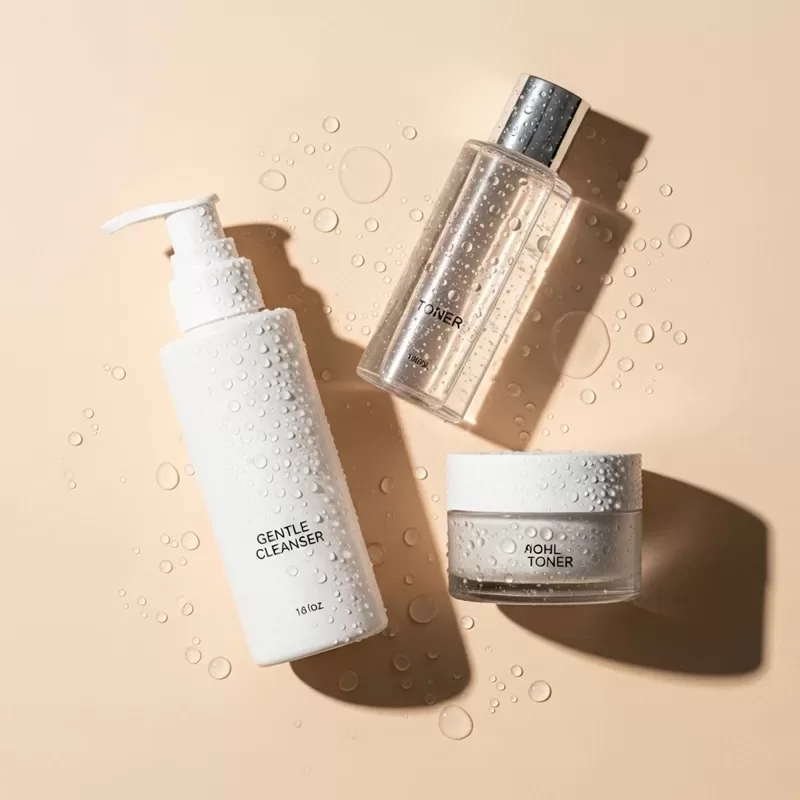
Step 1: Gentle Oil Cleansing
Even if you have dry skin, double cleansing is vital. However, you must use a fragrance-free cleansing balm or oil. This removes sunscreen and makeup without stripping your natural oils. Massage gently for 60 seconds and emulsify with water.Step 2: Low pH Water-Based Cleanser
Your skin’s natural pH is slightly acidic (around 5.5). Using a high-alkaline cleanser disrupts the barrier. Look for a low pH cleanser that contains soothing ingredients like Centella Asiatica or Mugwort.Step 3: The “7-Skin” Method (Modified)
Hydration is the foundation of repair. Instead of one heavy layer, K-Beauty advocates for layering a hydrating toner multiple times. For a compromised barrier, apply 2-3 layers of a milky, viscous toner containing Panthenol (Vitamin B5). This floods the “bricks” with water before you seal them.Step 4: Barrier Support Serum
This is the treatment phase of your Korean barrier repair routine. You want a serum rich in peptides or snail mucin. These ingredients speed up cell regeneration and calm inflammation instantly.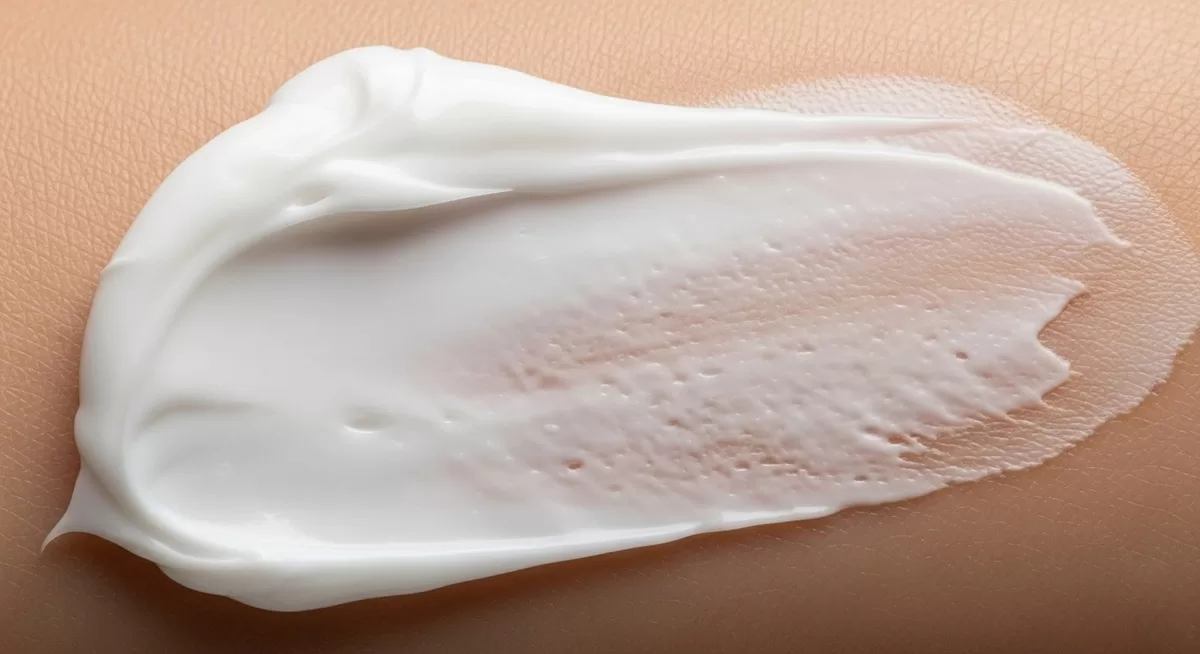
Step 5: Ceramide Cream
This is the most critical step. You need a moisturizer that mimics the skin’s natural lipid structure. Look for creams containing the “golden ratio” of Ceramides, Cholesterol, and Fatty Acids. This physically rebuilds the “mortar” of your skin wall.Key Ingredients to Look For
When shopping for your routine, ensure these ingredients are on the label:- Ceramides: The building blocks of the barrier.
- Panthenol: Soothes and hydrates.
- Centella Asiatica (Cica): Famous in Korea for healing wounds and calming redness.
- Squalane: A skin-identical oil that seals in moisture without clogging pores.